Source jacquard suit lining fabric for coats, jackets, and workwear
Find 30 verified options for jacquard suit lining fabric tailored for coats, jackets, and workwear. Compare specifications like density, yarn count, and customization availability to select the right material for your apparel needs.
Key considerations
Products List

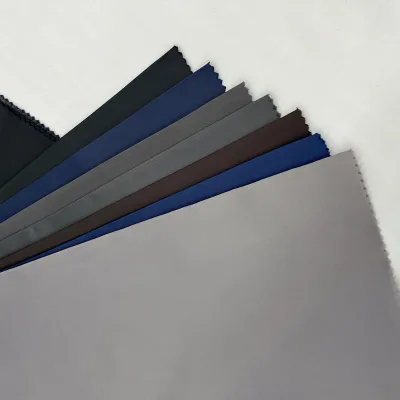


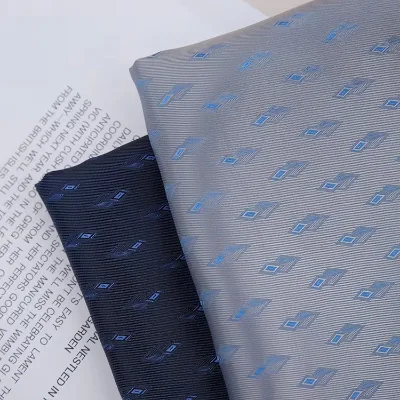
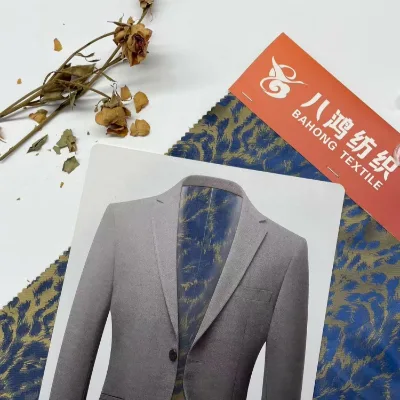


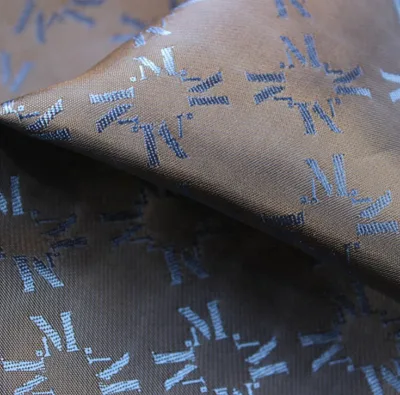


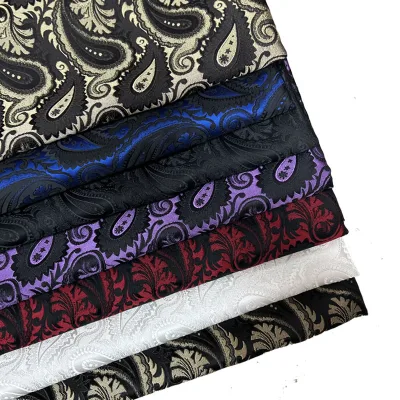


Comprehensive Sourcing Guide
Strategic Sourcing Guide for Jacquard Suit Lining Fabric
Understanding the Technical Landscape of Suit Lining Materials
When sourcing jacquard suit lining fabric, buyers must first distinguish between the specific weave structures and material compositions that define high-quality lining. The core keyword implies a woven construction, yet the market offers a spectrum of options ranging from standard plain weaves to complex jacquard patterns. Based on available product data, the industry frequently utilizes 100% polyester as the primary material due to its durability and cost-effectiveness. This synthetic fiber base allows for the creation of textured yarns that can be engineered to mimic the feel of natural fibers while maintaining structural integrity.
A critical technical specification to verify is the fabric density, often expressed in "T" (threads per inch). The observed market data indicates a range of densities, including 180T, 190T, 210T, and 300T. For suit linings, a density of 190T is frequently cited as a standard benchmark, offering a balance between breathability and strength. However, buyers should not assume that all "jacquard" linings share this exact density. The yarn count is another vital parameter; specifications such as 63D or 68D*120D are common, where the "D" denotes the denier, or the linear mass density of the fiber. A higher denier generally suggests a thicker, more robust fabric, which is essential for heavy-duty suit linings that must withstand the friction of movement.
The physical features of the fabric also play a decisive role in procurement. High-strength woven fabrics are preferred to prevent tearing during the garment manufacturing process. Furthermore, the hand feeling of the fabric is a subjective but measurable attribute; descriptions like "soft and comfortable" are standard expectations for premium linings that will be in direct contact with the wearer's skin. Buyers should request physical samples to verify that the "soft" claim aligns with the tactile reality of the specific batch, as the finishing process can significantly alter the texture of the polyester base.
Compliance, Certification, and Safety Standards
In the global textile supply chain, compliance is not merely a formality but a prerequisite for market access. When evaluating suppliers for jacquard suit lining, the presence of recognized certifications is a primary indicator of quality control and safety. The available data highlights two specific certification standards: AZO and OEKO-TEX STANDARD 100. The AZO certification is particularly relevant as it verifies that the fabric is free from azo dyes, which are known to release carcinogenic amines. This is a non-negotiable requirement for many international markets, including the European Union.
The OEKO-TEX STANDARD 100 certification is another critical benchmark. This standard tests for a wide range of harmful substances, ensuring that the final fabric is safe for human skin contact. For suit linings, which are in prolonged contact with the body, this certification provides assurance that the fabric will not cause allergic reactions or skin irritation. Buyers must verify that the certification is current and applies specifically to the product line they intend to purchase, as certifications can sometimes be granted to a factory rather than a specific product batch.
Beyond chemical safety, buyers should also investigate the physical safety features of the fabric. The observed product attributes include "Anti-Static" and "Non-Conducting" properties. These features are crucial for garments that may be worn in environments with static electricity risks or where electrical safety is a concern. Additionally, the fabric should be tested for color fastness. Data suggests a color fastness rating of greater than 4, which indicates a high resistance to fading when exposed to light, washing, or rubbing. Buyers should request test reports to confirm that the specific dye lot meets this threshold, as variations in dyeing processes can lead to inconsistencies in color retention.
Cost Drivers and Pricing Dynamics
The pricing of jacquard suit lining fabric is influenced by a complex interplay of material costs, production complexity, and order volume. The observed price range in the market spans from $0.20 to $13.00 per unit, a significant variance that reflects differences in quality, density, and customization levels. Several key factors drive these costs. First, the material composition is a primary driver; 100% polyester is generally more affordable than blends involving natural fibers, but the specific yarn count and denier can alter the price point.
Secondly, the weaving technique significantly impacts cost. While standard plain dyed fabrics are often more economical, jacquard patterns require more complex loom setups and programming, which increases production time and cost. The "Customized" nature of the supply type, often operating on a Make-to-Order basis, also introduces a premium. Buyers who require specific colors, custom sizes, or unique jacquard patterns will face higher unit costs compared to those purchasing standard stock items.
Order volume is another critical cost driver. The Minimum Order Quantity (MOQ) varies widely, with observed ranges from 1 to 5000 units, though a specific data point notes an MOQ of 3000 meters per color. This high volume requirement for custom colors suggests that smaller buyers may need to consolidate orders or accept higher per-unit costs. Additionally, the lead time, typically 15-30 days after receiving a deposit, affects cash flow and inventory planning. Buyers must factor in the cost of capital tied up during this production window.
| Cost Factor | Impact on Price | Verification Strategy |
|---|---|---|
| Material Composition | High (100% Polyester vs. Blends) | Request material composition certificates. |
| Weave Complexity | Medium to High (Jacquard vs. Plain) | Inspect weave structure in samples. |
| Customization Level | High (Color, Size, Pattern) | Confirm if standard or custom pricing applies. |
| Order Volume (MOQ) | Inverse Relationship | Negotiate MOQ based on total annual volume. |
| Certifications | Medium (AZO, OEKO-TEX) | Verify current certification documents. |
Typical Applications and Functional Requirements
Jacquard suit lining fabric is versatile, serving a wide array of applications beyond just traditional suit jackets. The data indicates that these fabrics are utilized in various garment categories, including coats, jackets, uniforms, workwear, and loungewear. The specific functional requirements for each application dictate the choice of lining. For instance, linings for workwear and uniforms may require higher tear resistance and durability, whereas linings for dress shirts or loungewear prioritize softness and breathability.
The "Use" attributes listed in the product data extend to home textiles as well, such as sofa covers, and even to fashion accessories like luggage and bags. This versatility suggests that the same base fabric can be adapted for different end-uses through specific finishing treatments. For example, the fabric may be coated with PA (Polyamide), PU (Polyurethane), silver, or UV-resistant layers to enhance performance for specific applications like raincoats or car covers.
When sourcing for suit linings specifically, buyers should consider the "Hand feeling" and "Feature" attributes. The fabric should be soft and comfortable to ensure wearer satisfaction. Features such as "Shrink-Resistant" and "Stain Resistant" are highly desirable for suit linings, as they ensure the garment maintains its shape and appearance after cleaning. The "Anti-Static" feature is also critical for suits worn in dry environments to prevent clinging and discomfort. Buyers must align the fabric's functional properties with the intended use case of the final garment to avoid performance issues.
Supplier Evaluation and Production Capabilities
Evaluating suppliers for jacquard suit lining fabric requires a deep dive into their production capabilities and operational standards. The data points to two primary origins: Suzhou and Wujiang, both located in China. These regions are known for their robust textile manufacturing ecosystems, but buyers should verify the specific factory's capacity and expertise. The "Supply Type" is often "Make-to-Order," indicating that the supplier is equipped to handle custom requests rather than just producing stock items.
Key evaluation criteria include the supplier's ability to meet the "Customized" requirements for color, size, and pattern. The "Standard" attribute often lists "Customized size," which implies flexibility in production. However, buyers must confirm the supplier's ability to maintain consistency across large batches. The "Lead Time" of 15-30 days after receiving a deposit is a standard benchmark, but suppliers with more efficient logistics may offer shorter turnaround times.
Buyers should also assess the supplier's quality control infrastructure. The presence of certifications like AZO and OEKO-TEX STANDARD 100 suggests a commitment to quality, but it is essential to verify that these certifications are actively maintained and audited. The "Packing" method, described as "Roll Packing" or "Making Rolling," is crucial for preventing damage during transit. Buyers should request photos of the packing process to ensure that the fabric is rolled correctly to avoid creasing or crushing.
Quality Control Protocols and Inspection Standards
Implementing a robust quality control (QC) protocol is essential when sourcing jacquard suit lining fabric. The first step is to establish clear acceptance criteria based on the technical specifications. Buyers should verify the fabric density (e.g., 190T), yarn count (e.g., 68D*120D), and width (58/60 inches) against the purchase order. Any deviation from these specifications can lead to production issues in the garment factory.
Color consistency is another critical area of focus. The "Color fastness" rating of >4 is a minimum standard, but buyers should conduct their own testing to ensure that the color matches the approved sample and remains consistent across the entire roll. The "Pattern" attribute, which can be "Plain Dyed" or "Jacquard," must be inspected for clarity and symmetry. Any defects in the jacquard weave, such as missed threads or irregular patterns, should be rejected immediately.
Physical testing should also be conducted to verify the "Feature" claims. Tests for tear resistance, shrinkage, and anti-static properties should be performed on random samples from the production batch. The "Weight" of the fabric, typically ranging from 45-60gsm, should be measured to ensure it falls within the specified tolerance. Additionally, the "Thickness" should be verified as "Lightweight" if that is a requirement, as this affects the drape and feel of the final garment.
Long-Term Procurement and Relationship Management
Building a long-term relationship with a reliable supplier is crucial for the sustainable sourcing of jacquard suit lining fabric. The "Customization" and "Make-to-Order" nature of the supply chain means that buyers and suppliers must work closely to refine specifications and improve efficiency over time. Buyers should establish clear communication channels to discuss design changes, material updates, and production schedules.
Long-term procurement also involves managing the supply chain's resilience. The "Lead Time" of 15-30 days can be extended by unforeseen events, so buyers should maintain a buffer in their inventory planning. Diversifying the supplier base, if possible, can mitigate the risk of supply disruptions. However, given the specific technical requirements of jacquard linings, switching suppliers can be costly and time-consuming, making the selection of a high-quality, reliable partner essential.
Finally, buyers should focus on continuous improvement. Regularly reviewing the performance of the fabric in the final garment can provide valuable feedback to the supplier. This feedback loop can lead to improvements in the fabric's "Hand feeling," "Color fastness," and overall durability. By fostering a collaborative relationship, buyers can ensure that the jacquard suit lining fabric continues to meet their evolving needs and market demands.
FAQs
What certifications are available for jacquard suit lining fabric?
The fabric is available with AZO and OEKO-TEX STANDARD 100 certifications. These standards verify the absence of harmful azo dyes and ensure safety for skin contact, which is critical for suit linings used in international markets.
How is the density of jacquard suit lining fabric specified?
Density is typically specified in threads per inch, with common values ranging from 180T to 300T. A standard benchmark for suit linings is often 190T, which balances breathability and structural strength for garment applications.
Which material composition is standard for this lining fabric?
The fabric is composed of 100% polyester, often using textured yarns like 63D or 68D*120D. This synthetic base provides durability and cost-effectiveness while allowing for various finishing treatments to enhance performance.
Can buyers request custom colors for jacquard suit lining fabric?
Yes, customization is available for colors according to buyer requirements. However, this is typically a make-to-order process with a minimum order quantity of 3000 meters per color and a lead time of 15 to 30 days.
What physical features does the jacquard suit lining fabric offer?
The fabric features high strength, anti-static properties, and resistance to tearing, shrinking, and staining. These attributes ensure the lining maintains its shape and comfort during wear and cleaning processes in various garment types.
Where are the suppliers of jacquard suit lining fabric located?
Suppliers are primarily located in Suzhou and Wujiang, China. These regions are known for robust textile manufacturing ecosystems capable of handling customized orders with specific production standards and packaging requirements.